 Voyager
Safety-Aware Cockpit: When Safety Data Becomes Part of the Experience
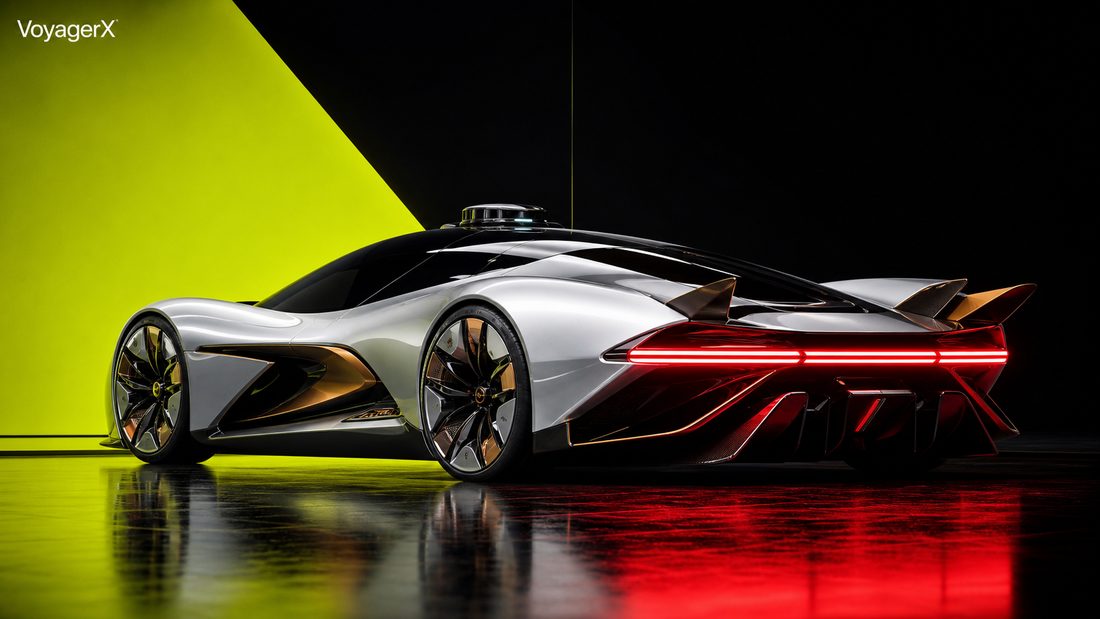
In-car UX is entering a new phase: safety data is no longer just something hidden inside warning systems. It is becoming part of the user experience.
Recent industry discussion around Valeo’s use of safety data to redefine in-car UX points to a broader shift. Cameras, sensors, posture detection, attention monitoring and contextual safety logic are moving from backend engineering into the visible cockpit experience. The question is no longer only “can the system detect risk?” It is also “can the cockpit communicate risk in a way people understand and trust?”
Why It Matters to Design Teams
For intelligent cockpit designers, styling teams, HMI/UI designers, ergonomics specialists and forward-looking design teams, this is a highly practical topic.
Safety data changes the cockpit brief. Seats are not only seats; they become posture interfaces. Lighting is not only atmosphere; it becomes feedback. Screens are not only information surfaces; they become trust-building tools. Interior form is not only aesthetic; it shapes how people perceive control, comfort and awareness.
Questions It Raises
- How should a cockpit show that it understands the passenger’s posture, gaze and state without feeling intrusive?
- When should HMI guide, warn, calm — or stay silent?
- How can safety feedback be integrated into interior styling instead of being pasted on as another alert?
- Most importantly: how can design teams validate these interactions before they become expensive late-stage engineering changes?
What Changes
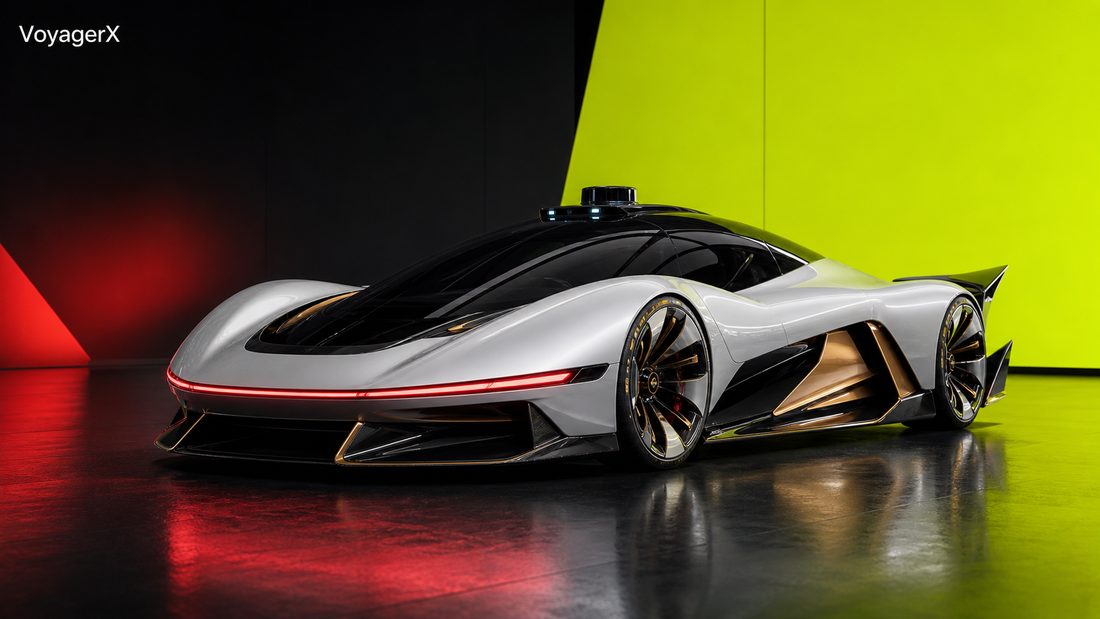
The next cockpit may become less like a dashboard and more like an adaptive safety interface.
We may see stronger links between human factors, interior design, sensor layout, seating posture, ambient lighting, AI interaction and vehicle-control logic. The boundary between “design” and “safety engineering” will get thinner. Future cockpit teams will need to prototype not only form, but also behavior.
How to Respond
Teams should move earlier from concept to testable experience. That means building ergonomic mockups, AI demo flows, HMI prototypes, sensor-feedback simulations and physical cockpit POCs. The goal is not to make the idea look futuristic — it is to discover whether users understand it, trust it and respond correctly.
The VoyagerX Approach
As a Super POC team, Shanghai VoyagerX connects automotive design, smart-cockpit HMI/UI, AI demo development, multimodal interaction, vehicle-control applications, ergonomics exploration, robotics and prototype fabrication. For safety-aware cockpit UX, we help teams turn a trend into something concrete: a sketch, a design board, an interactive cockpit demo, a physical prototype and a validation scenario.
Because in the future cockpit, safety will not only be calculated. It will be designed.

Scan with WeChat, then share via the ··· menu