 Voyager
A Robotaxi That Reasons Better Must Also Explain Itself Better
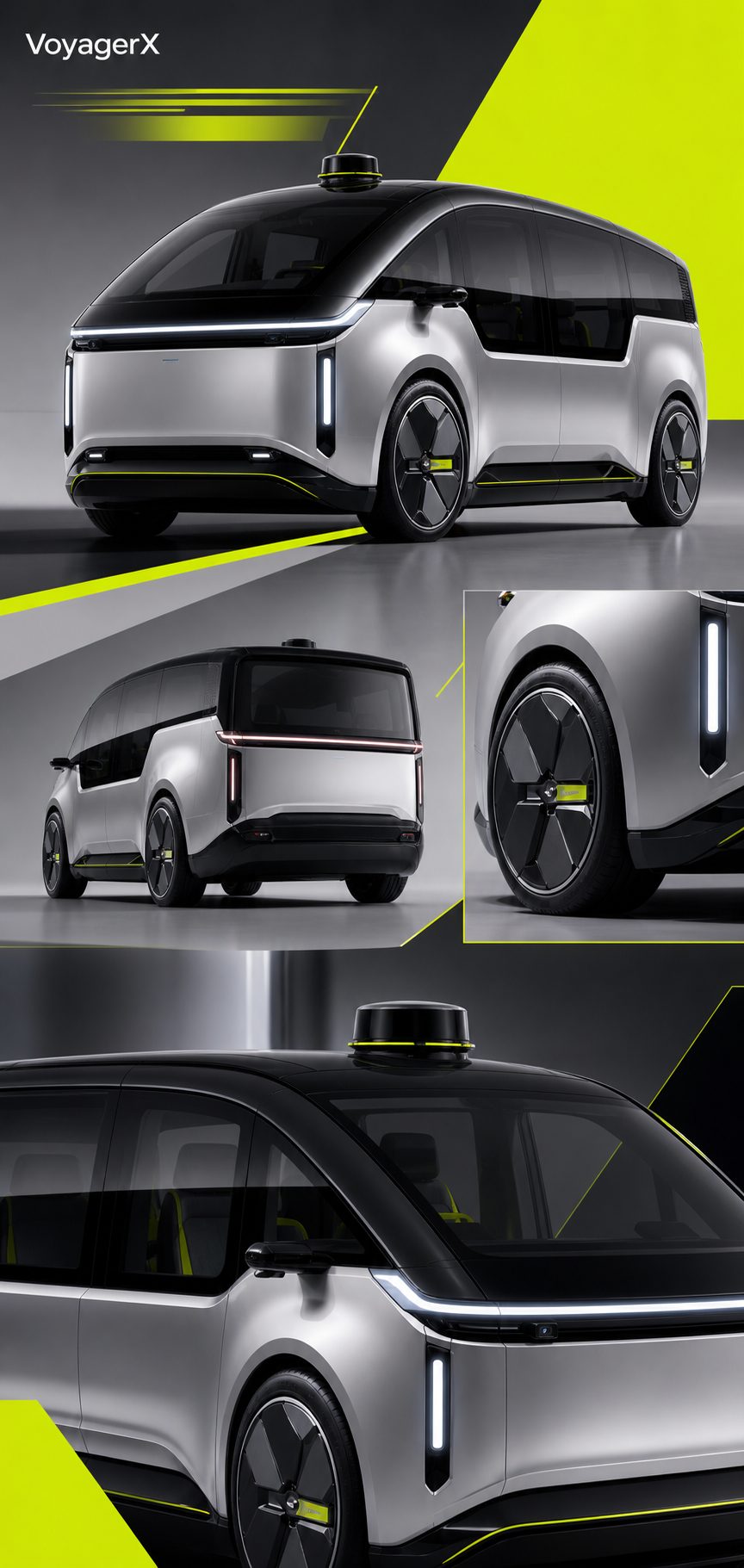
NVIDIA’s June 1 launch of Alpamayo 2 Super signals an important shift in mobility AI: robotaxis are moving from “can the system drive?” to “can the system reason safely in the long tail?” That matters far beyond autonomy stacks, because better machine reasoning raises the bar for the entire vehicle experience.
Industry Application
For intelligent cockpit and mobility teams, safer reasoning is not just a perception story. It changes how a vehicle should communicate intent, confidence, fallback states, and service logic to the people inside. A robotaxi that can think better also needs to explain itself better.
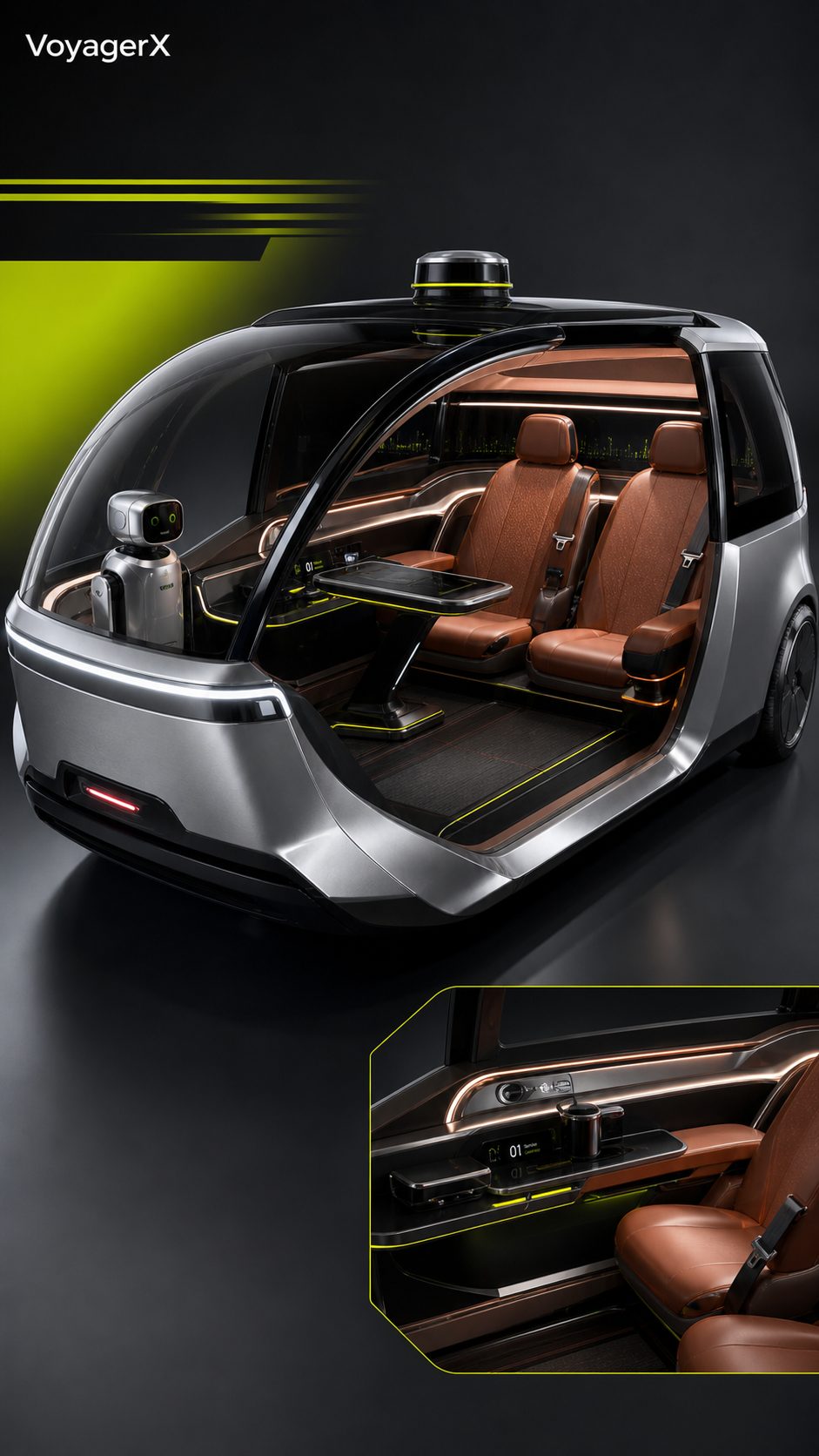
That is where VoyagerX becomes relevant: as a China-based Super POC team, we connect automotive design, smart cockpit HMI/UI, AI feature development, electrical control, and physical prototype delivery to turn future mobility ideas into testable experiences.
Future Outlook
The next benchmark for AI mobility will not be “more screens” or “more model power.” It will be whether advanced autonomy and in-cabin interaction feel coherent, trustworthy, and production-minded as one system. Reasoning on the road will increasingly require reasoning in the cabin too.

Scan with WeChat, then share via the ··· menu