 Voyager
The Robotaxi Is Becoming an AI Product — And the Experience Still Needs Design
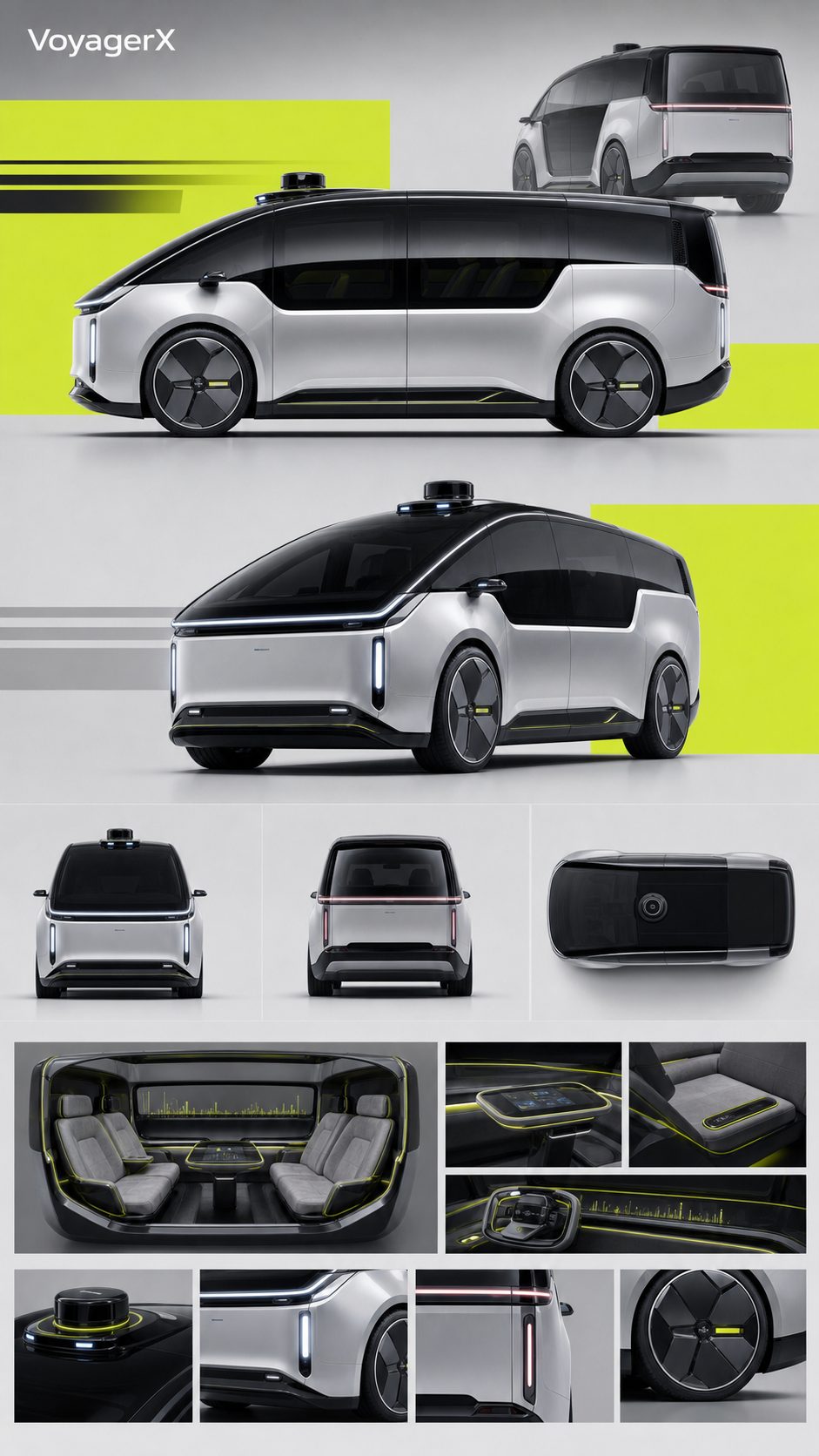
Robotaxis are moving from “autonomous driving technology” to complete AI mobility products.
NVIDIA’s latest DRIVE Hyperion announcement makes that direction very clear: the next phase of autonomous mobility is not just about sensors, chips or software stacks. It is about how AI, vehicle control, safety architecture, ride-hailing operations and passenger experience come together as one coherent product.
In short, the robotaxi is becoming a moving interface between people, AI and the city.
Industry Application
That shift creates a very real design challenge.
Passengers need to understand what the vehicle is doing. Operators need trustable system logic. Automakers need interfaces that make autonomous behavior feel clear, calm and premium. Innovation teams need prototypes that can be touched, tested and improved before the idea becomes a costly vehicle program.
This is exactly where VoyagerX works.
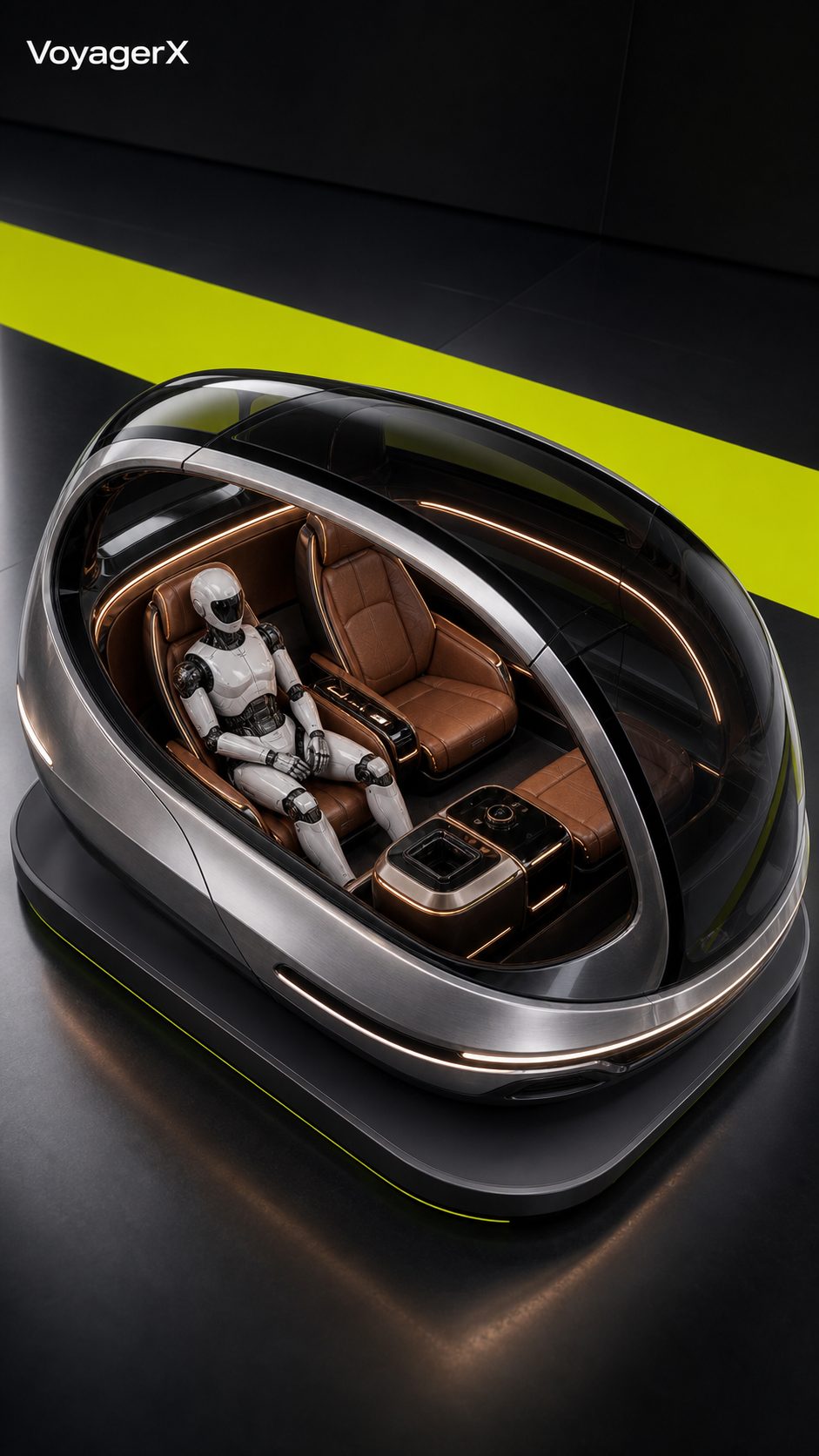
As a Super POC team, VoyagerX helps mobility innovators turn future concepts into testable experiences: intelligent cockpit design, automotive HMI/UI, AI demo development, multimodal interaction, vehicle-control applications, robotics integration and high-quality physical prototypes.
We do not believe the future should stay trapped in a presentation deck. It should become a cockpit, a model, a demo, a prototype — and then a better version after testing.
Future Outlook
As robotaxi-ready platforms mature, the winners will not be defined by AI capability alone. They will be defined by how well AI becomes a product people can understand, trust and enjoy.
The car may learn to drive itself.
The experience still needs to be designed.

Scan with WeChat, then share via the ··· menu