 Voyager
Robot Customization Is Not Just a New Shell: The Four Layers That Matter
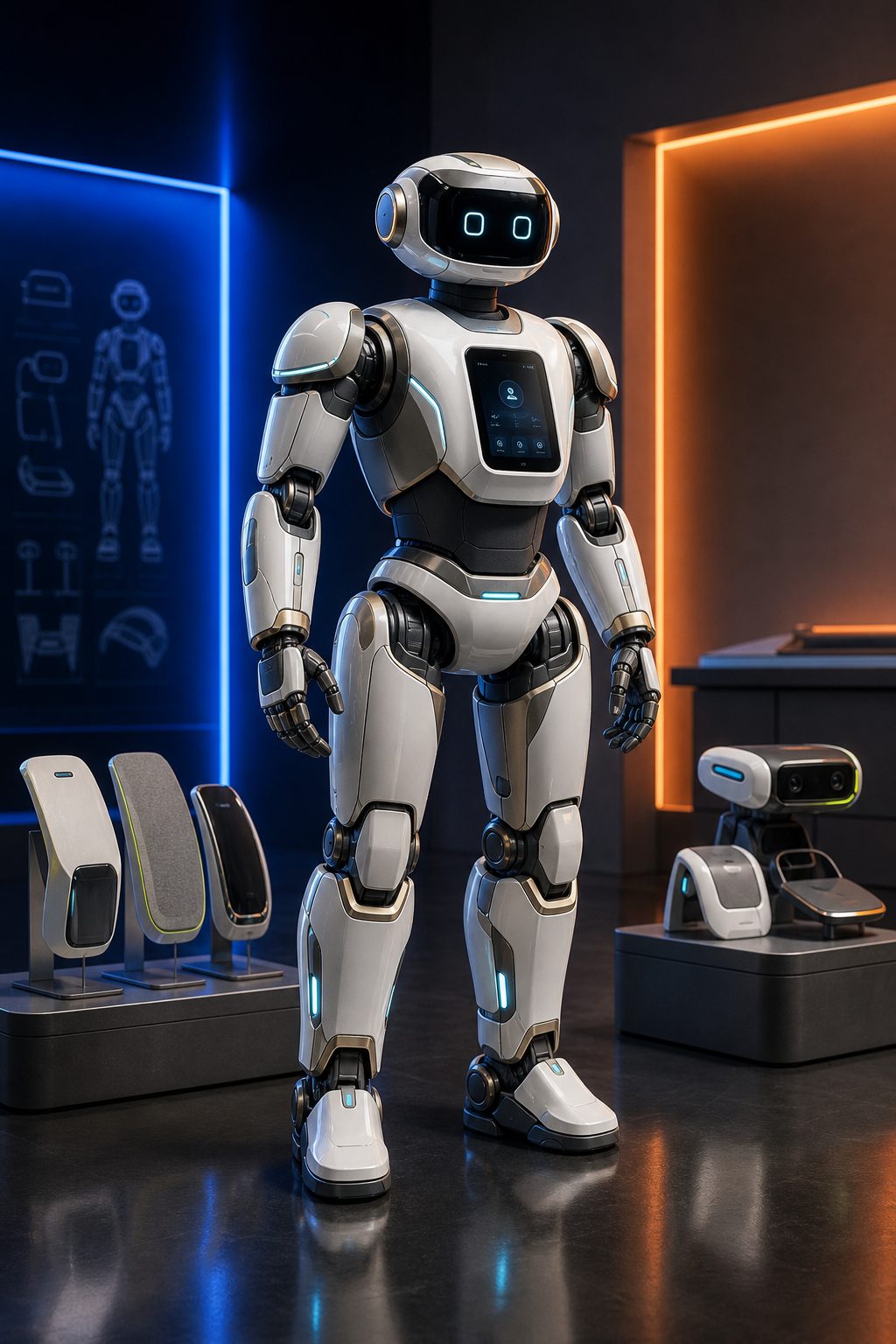
When clients discuss robot customization, the first question is almost always: “Can we change the way this robot looks?”
It is a fair question. Appearance matters — especially for service robots, showroom robots, cultural-tourism IP robots and companion robots. Once a robot enters a real environment, how it looks, whether it fits the brand, and whether users feel comfortable approaching it all shape the first impression.
But if a customization project stops at “can we change the shell,” it usually runs into trouble later. What clients actually want is rarely just a new casing: a tourism project wants a robot that feels like a character in the venue; a brand showroom wants one that can represent the brand and greet customers; an elderly-care setting wants one that does not make people anxious. These questions look like styling, but underneath they pull in function, parts, content and live demonstration. The first thing to clarify is not whether to customize, but which layer you are customizing.
Layer 1: Appearance
Appearance decides who the robot resembles and whether people want to approach it. The mistake is treating it as “change the color, tweak the shape, add a logo.” In practice, the shell affects sensor field-of-view, screen angle, lighting feedback, heat dissipation, battery maintenance and transport protection. A beautiful shell that blocks the LiDAR, or an IP-rich form that engineers cannot open for service, is not an aesthetic problem — it is what happens when appearance and structure are not designed together.
Layer 2: Function
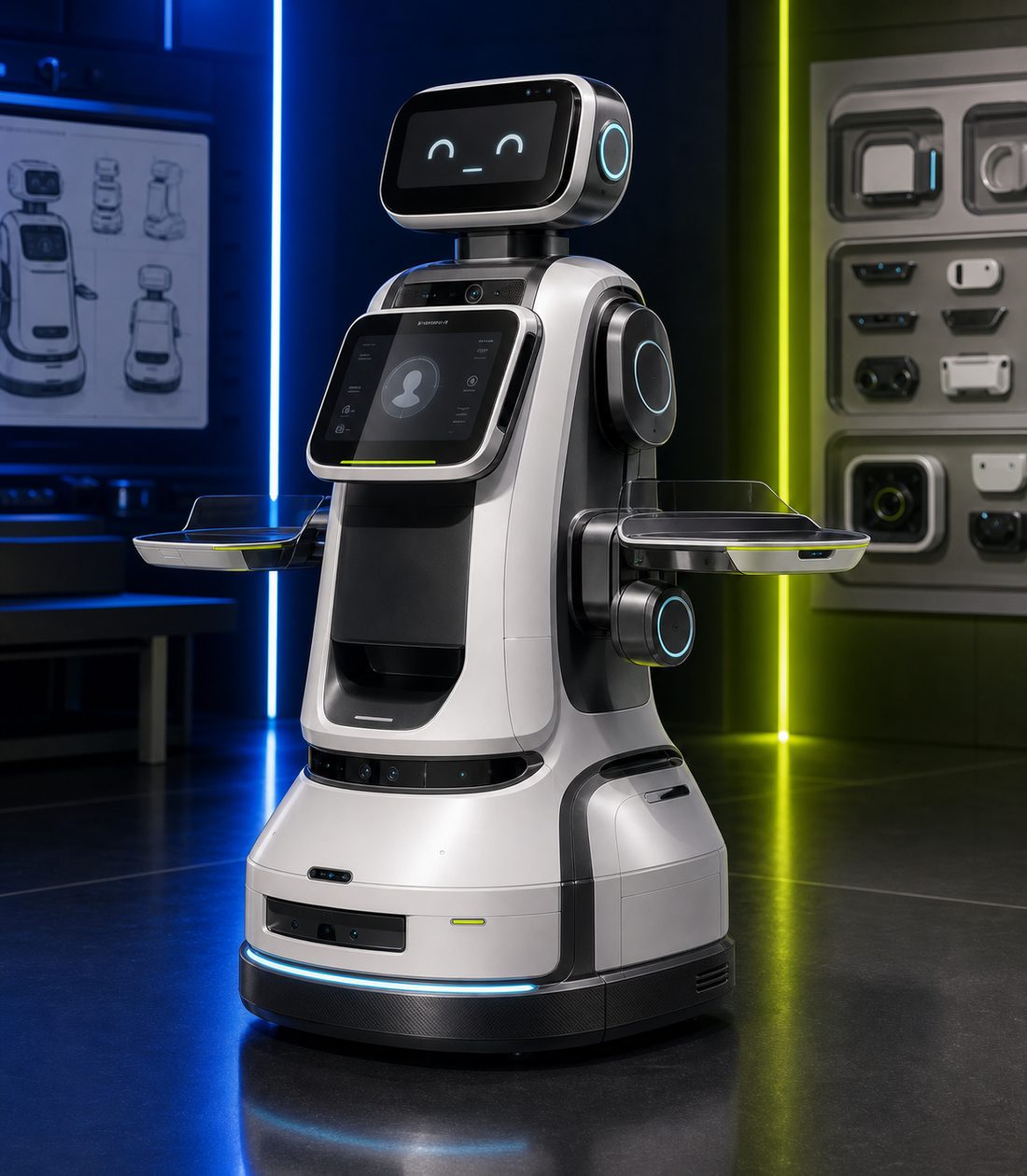
Many clients already have a standard robot platform that can move, avoid obstacles and talk. But standard functions rarely survive contact with a specific scene. A mall guide robot needs to know stores, floors, events and routes; a showroom robot must coordinate with big screens, lighting and narration pacing; a trade-show robot may run for only three days, but during those days it must complete a demo reliably in a noisy, crowded, unstable-network environment.
So function customization is not about piling on features. More features do not mean more advanced — running reliably in the target scene is what creates value. The most common headache with prototypes is not that the robot “can’t do things,” but that it “does things without rhythm.”
Layer 3: Parts
Parts sound less exciting than appearance and function, yet this is exactly where many projects stall. A camera a few centimeters off changes the recognition angle; a microphone hidden behind the shell degrades audio; a screen bracket at the wrong angle forces users to look up or down. Light channels, service hatches, battery bays, quick-release structures and transport protection all matter — get any one wrong and it affects the demo and the delivery.
Parts customization tests judgment: what can stay flexible for a quick demo, and what must anticipate later reproduction? A one-off show unit can be looser; a small-batch build has to consider materials, process, cost, consistency and repair.
Layer 4: Content
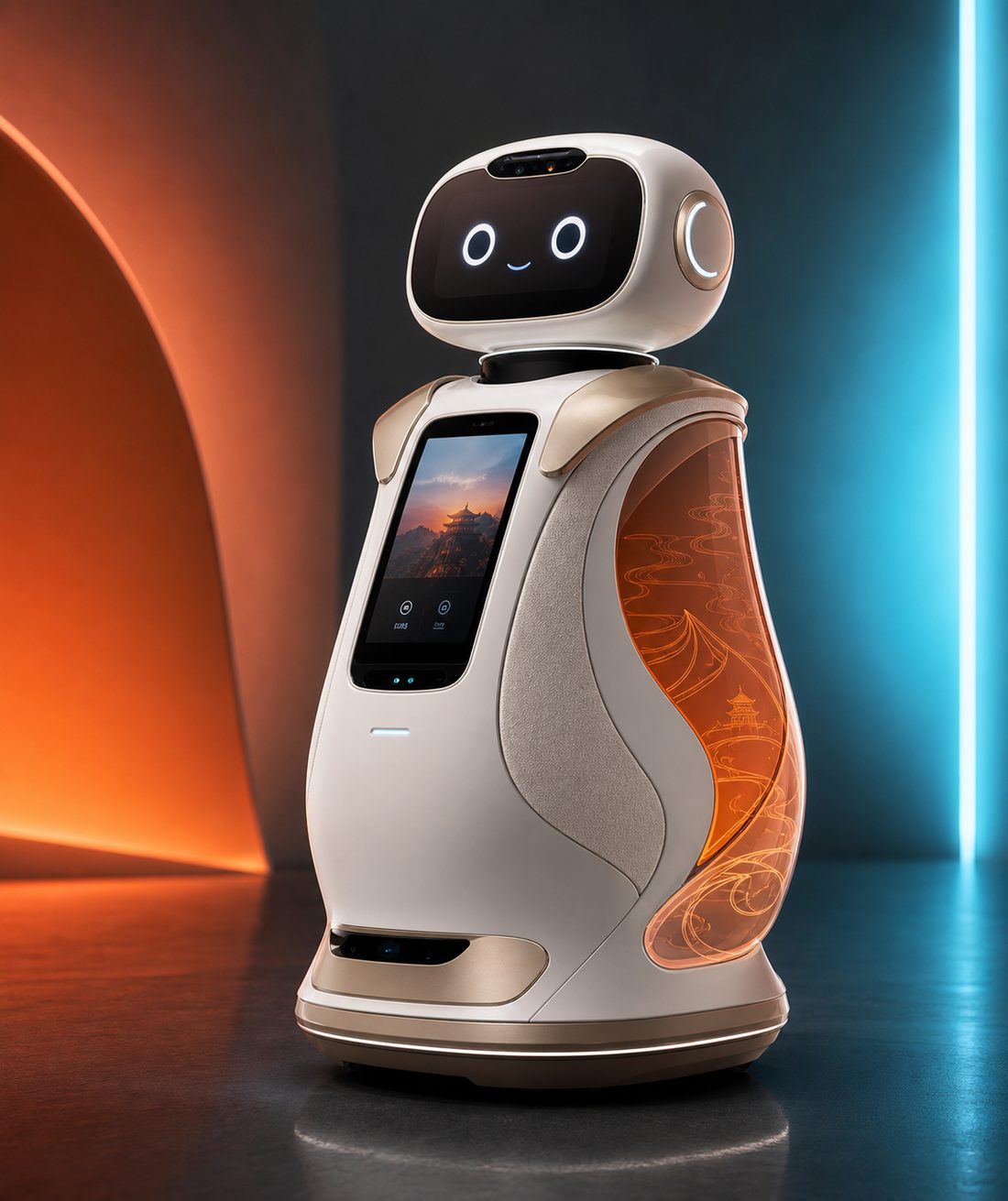
Many assume that once the robot is built, content just means loading a few greetings. On site, they discover content is not fill-in-the-blank — it is what gives the robot a sense of character.
What story should a tourism IP robot tell? Is a showroom robot a sales consultant or a technical presenter? Facing children, how hard should an education robot’s questions be, and how fast its feedback? When an elderly-care robot reminds someone to take medicine, is it a cold announcement or a gentle companion? All of this shapes the voice script, screen visuals, motion rhythm and lighting feedback — even what the robot should look like. Content customization is not about more information; it is about making the robot speak like the role it is meant to play.
Ask “why change,” not “can we change”
Robot customization is not a single task but a chain of interlocking choices. A brand IP robot may need appearance, expression screen, lighting parts, voice content and a fixed demo flow all at once; a special inspection robot may not need striking looks, but its sensor windows, protective structure, status feedback and task flow must be reliable.
At VoyagerX, we do not treat robot prototyping and customization as a “re-shell project.” Customization creates value when appearance, structure, interaction, AI function and demo content all converge on one scene-level goal — turning a standard platform into an experienceable demo that truly fits a specific scenario.

Scan with WeChat, then share via the ··· menu