 Voyager
The AI-Defined Cockpit Race: Making In-Cabin AI Calm, Competent and Trustworthy
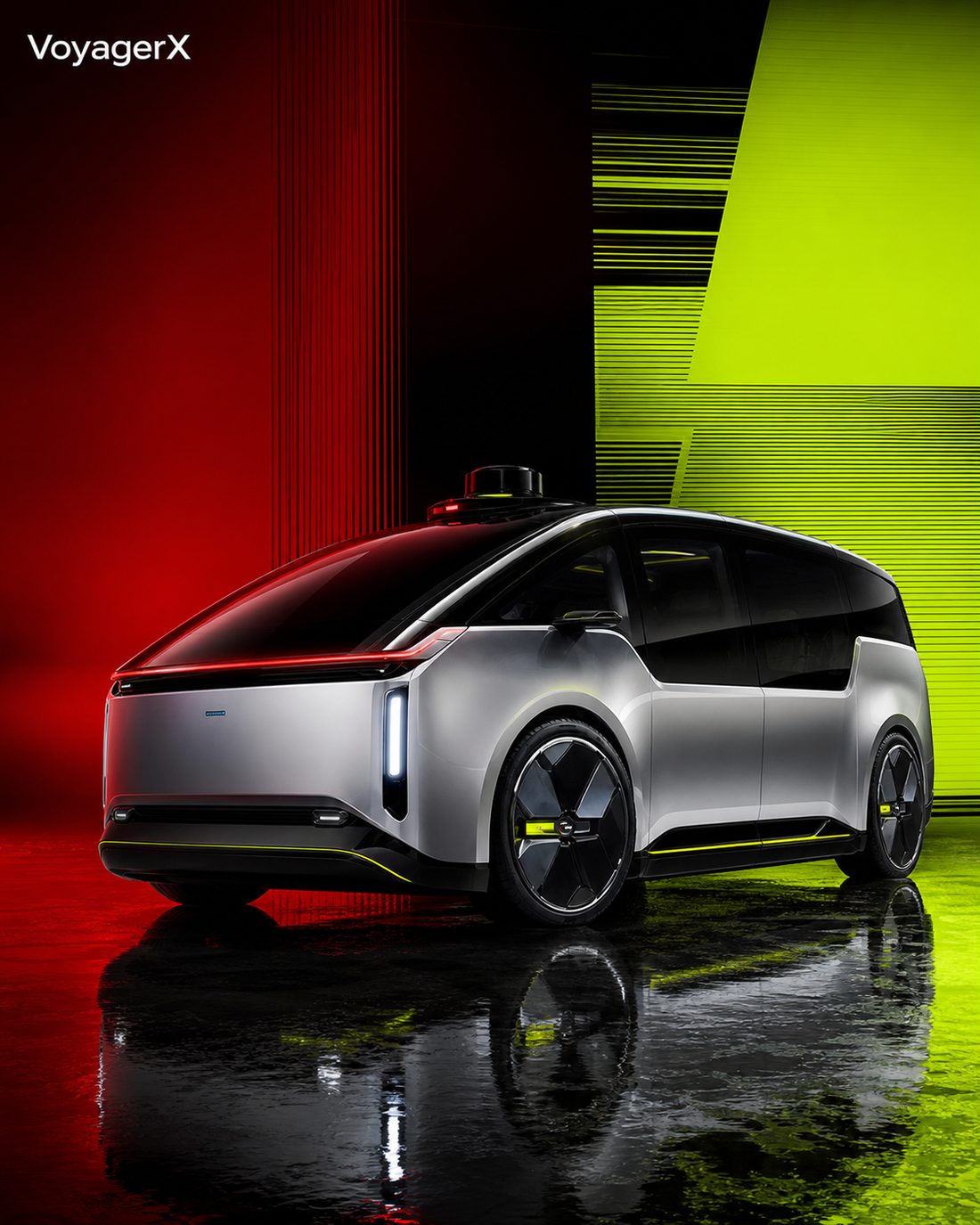
MediaTek, FOXTRON, and NVIDIA just put a clear signal into the market: the intelligent-vehicle race is becoming an AI-defined cockpit race. Their June 1 announcement is not only about stronger compute. It is about making in-cabin AI secure, connected, and usable at scale.
Industry Application
For cockpit teams, that shifts the brief immediately. Advanced silicon matters, but experience architecture matters just as much. If AI becomes more proactive inside the vehicle, the cockpit needs clearer HMI logic, stronger multimodal coordination, more readable vehicle feedback, and prototype-ready interaction flows that can be tested before production.
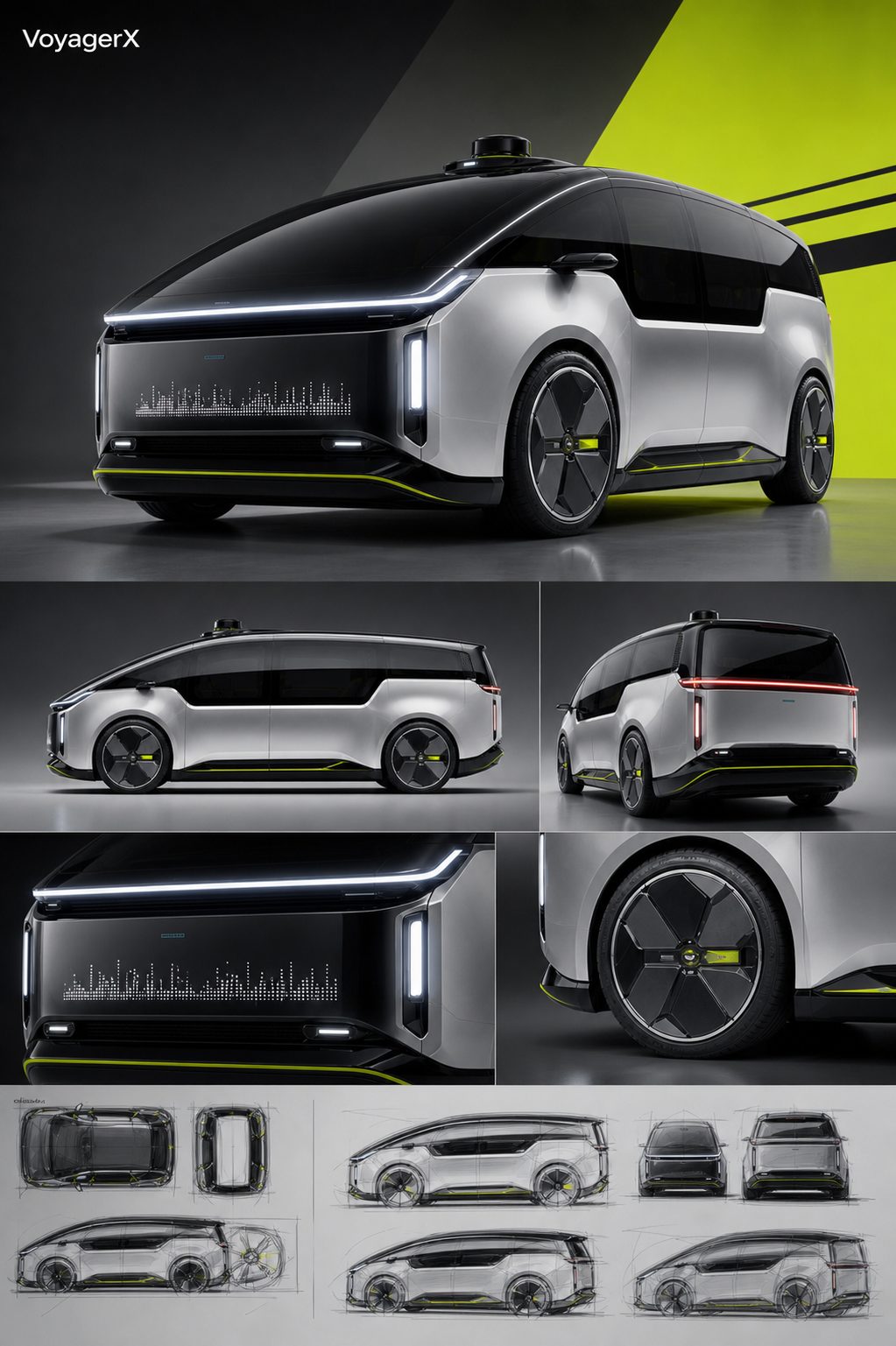
This is where Shanghai VoyagerX creates value: intelligent cockpit design, HMI/UI, AI demo development, robotics-linked interaction, hardware-software coordination, and physical proof-of-concept execution.
Future Outlook
The next premium mobility benchmark may not be who has the loudest AI story, but who can make AI feel calm, competent, and trustworthy inside the cabin. As AI-defined vehicles move from architecture slides to real products, the experience layer becomes a strategic asset. VoyagerX is well positioned to help global partners make that layer visible, testable, and market-ready.

Scan with WeChat, then share via the ··· menu