 Voyager
Open-Reasoning Robotaxi: How the Cockpit Explains the AI's Decisions
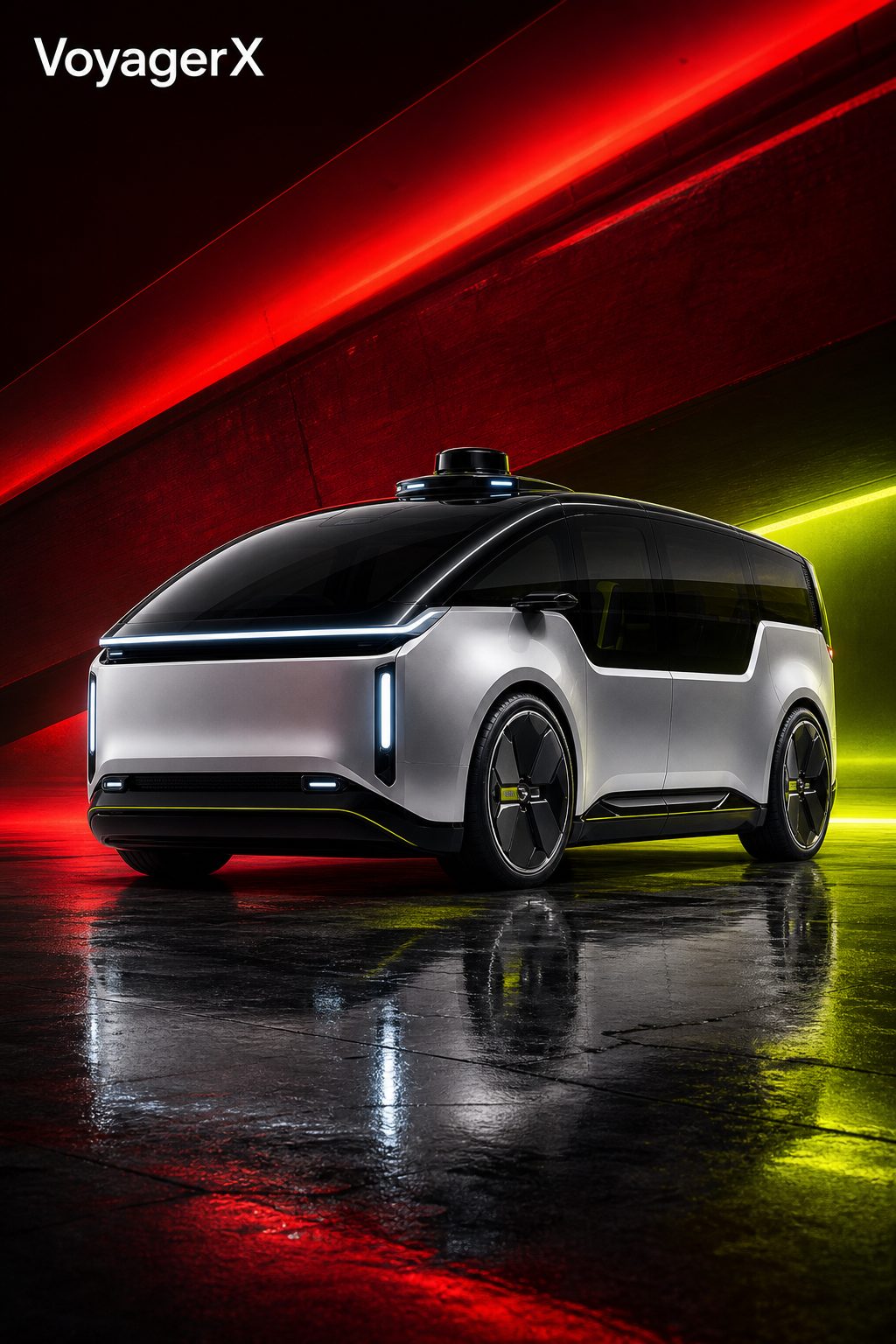
NVIDIA’s release of Alpamayo 2 Super is a useful reminder that the next phase of mobility AI is not just about autonomy stacks getting smarter. It is about vehicles gaining a stronger real-time reasoning layer that can interpret context, understand passenger needs, and coordinate action across the whole experience.
Industry Application
For intelligent cockpit and robotaxi teams, this changes the brief. A more capable physical-AI model only creates value when the vehicle can express that intelligence through clear HMI logic, trustworthy interaction flow, multimodal orchestration, and a physical cabin experience that feels coherent from first touch to final response. VoyagerX is built for exactly that translation layer: from intelligent cockpit strategy and automotive design to HMI/UI, AI demo development, robotics-linked interaction, software-hardware coordination, and one-stop POC delivery from idea to physical experience.
Future Outlook
As open physical-AI models become more accessible, the market will move faster from algorithm capability to experience competition. The winners may not be the teams with the loudest AI narrative, but the ones that can make reasoning visible, usable, and emotionally legible inside the vehicle. That is where design, prototyping, and execution start to matter as much as the model itself. LinkedIn Version - Chinese 简单介绍 NVIDIA 发布 Alpamayo 2 Super,再次提醒行业一个趋势:下一阶段的出行 AI,不只是自动驾驶算法更聪明,而是整台车开始具备更强的实时推理层,能够理解情境、判断乘客需求,并把反应组织成完整体验。 行业应用 对智能座舱和 Robotaxi 团队来说,这会直接改写产品命题。一个更强的 Physical AI 模型,只有在它能通过清晰的 HMI 逻辑、可信的交互流程、多模态协同,以及从第一触点到最终反馈都一致的实体座舱体验被表达出来时,才真正产生价值。VoyagerX 擅长做的正是这层“翻译工作”:从智能座舱策略、汽车设计、HMI/UI,到 AI Demo 开发、机器人联动交互、软硬件协同,以及从想法到实体体验的一站式 POC 交付。 未来前景 随着开放型 Physical AI 模型逐步普及,行业竞争会更快从“算法能力”转向“体验能力”。未来真正领先的团队,未必是最会喊 AI 的团队,而是最能把推理能力转化为车内可见、可用、可感知体验的团队。到了这一步,设计、原型验证与落地执行的重要性,会和模型本身一样高。 Instagram Version - English
Brief Introduction
Alpamayo 2 Super gives robotaxi AI a new vibe: less “smart black box,” more “I actually know what’s happening in this cabin.”
Industry Application
That is good news for cockpit people, because raw intelligence still needs stage direction. If the vehicle is going to reason better, the cabin cannot behave like six clever features arguing in a group chat. Screens, lighting, voice, seating cues, robotic touchpoints, and physical interfaces need to move like one team. VoyagerX lives in that zone, turning AI ideas into design language, HMI flows, demo-ready interaction, and real POC experiences people can sit in instead of merely imagining.
Future Outlook
The next big flex in mobility may not be “our model is bigger.” It may be “our vehicle feels clearer, calmer, and weirdly more trustworthy.” That is when AI stops being a spec sheet and starts becoming a real passenger experience. Instagram Version - Chinese 简单介绍 Alpamayo 2 Super 让 Robotaxi AI 的气质变了点味道:不再只是“一个很强但看不见的黑盒”,而更像“我真的知道这个座舱里现在发生了什么”。 行业应用 这对做座舱的人反而是个更有意思的挑战,因为原始智能再强,也还是需要“舞台调度”。如果车开始更会推理,座舱就不能再像六个聪明功能在群聊里各说各话。屏幕、灯光、语音、座椅提示、机器人触点和实体交互,得像一支团队一样配合。VoyagerX 最擅长的,就是把这些 AI 想法落成设计语言、HMI 流程、可演示交互,以及真正能坐进去体验的 POC。 未来前景 下一波出行体验最值得炫耀的地方,可能不再是“我们的模型更大”,而会变成“我们的车更清楚、更冷静、也更容易让人信任”。到那时候,AI 就不只是参数表,而是真正的乘坐体验了。

Scan with WeChat, then share via the ··· menu