 Voyager
The More Automated the Vehicle, the Clearer the Cockpit Must Speak
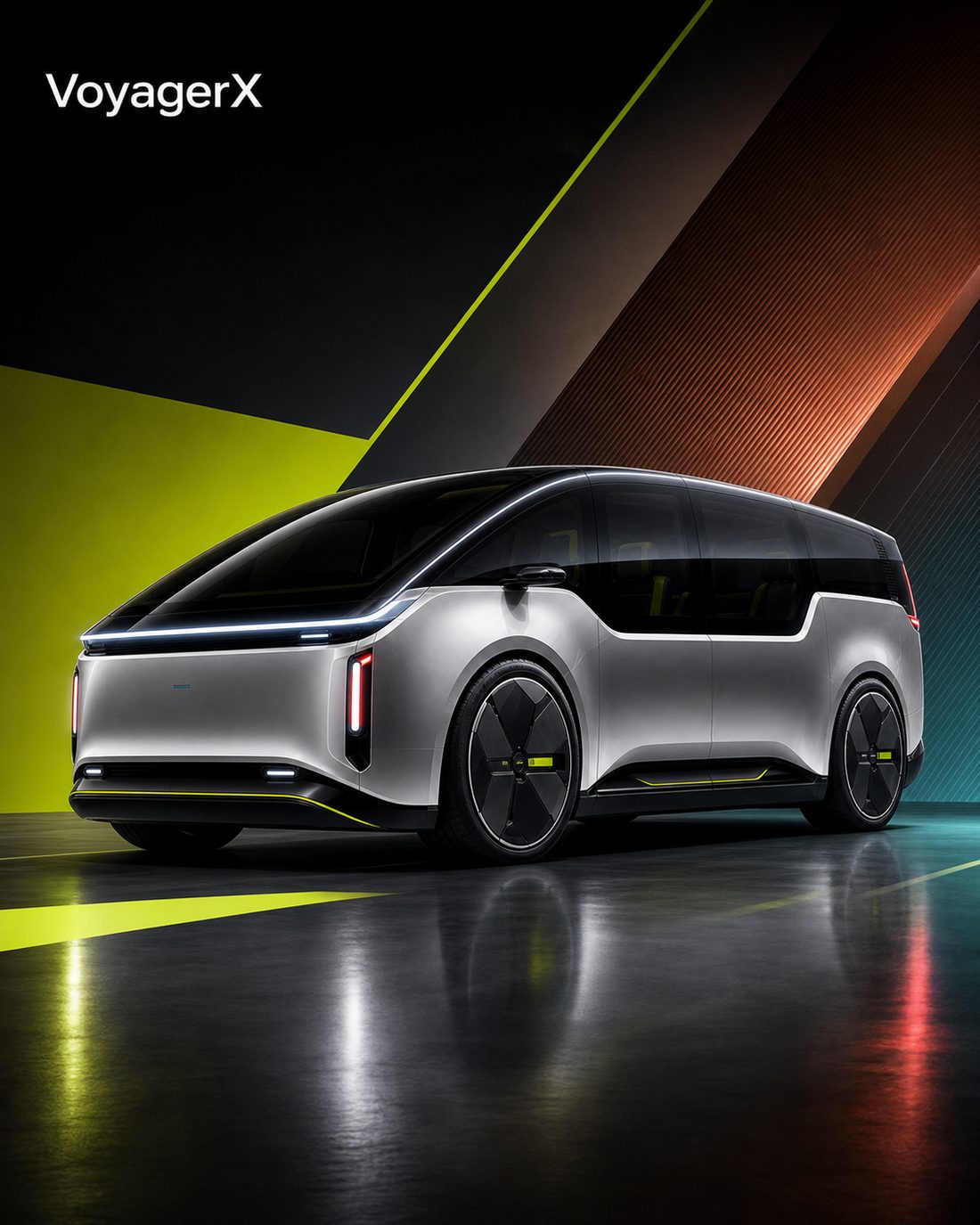
Conditionally automated platooning may sound like a niche engineering topic, but the new paper on in-vehicle HMI makes a much broader point: smarter mobility still depends on clearer communication inside the cabin. If drivers are expected to supervise an automated system, the interface cannot be vague, fragmented, or late.
Industry Application
For intelligent cockpit teams, this is a strong reminder that automation quality is not only measured by perception and control. It is also measured by how clearly the vehicle explains itself. Continuous system-state cues, spacing awareness, takeover logic, and confidence-building feedback all shape whether a driver stays calm, attentive, and appropriately involved.
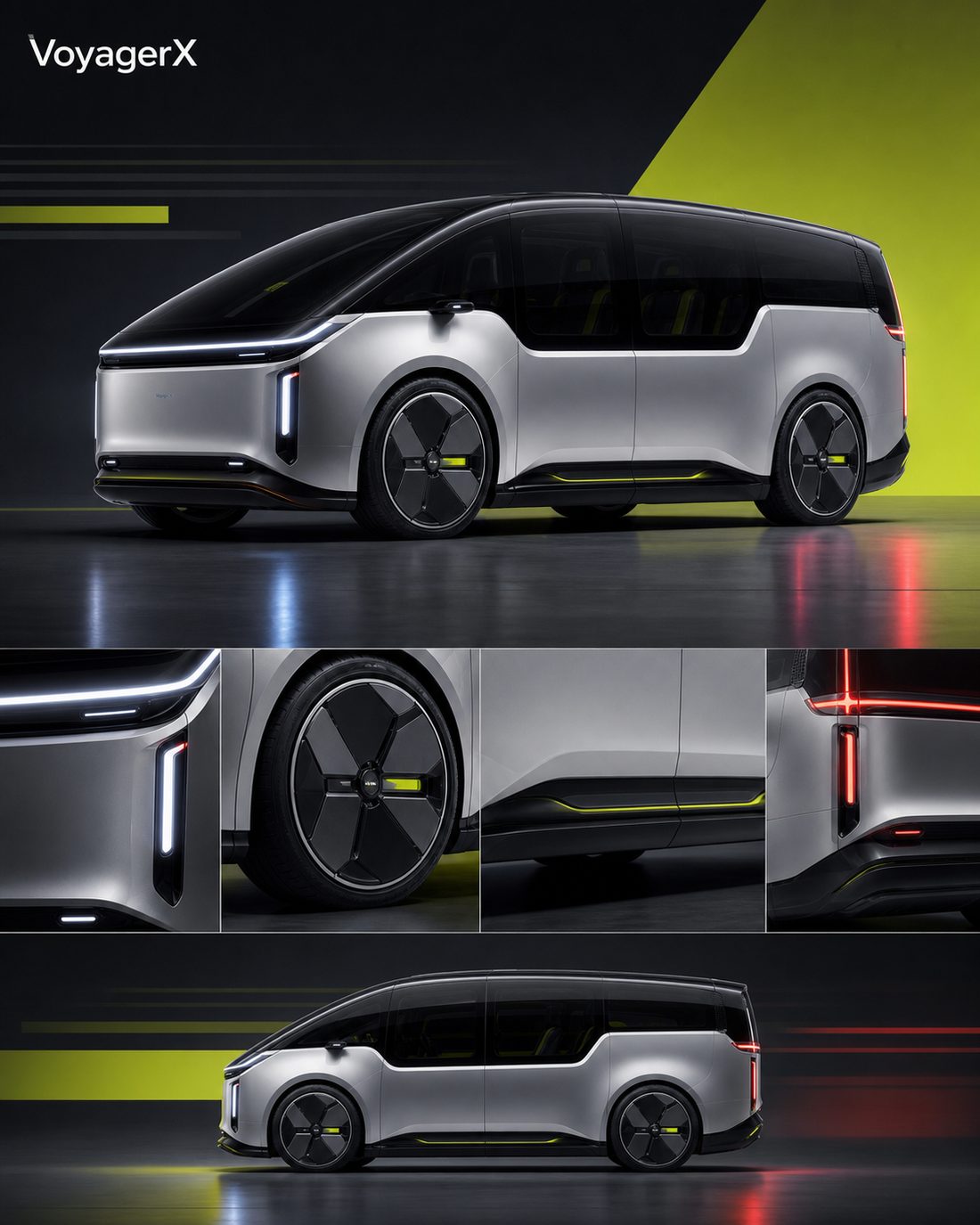
That is exactly where VoyagerX creates value: connecting automotive design, HMI/UI, AI demo development, cockpit strategy, and physical proof-of-concept execution into one coherent product story.
Future Outlook
As vehicles become more automated, the winning cockpit may not be the one that says the most. It may be the one that communicates the right thing at the right moment, with the right visual and behavioral rhythm. That shift creates major opportunity for teams who can make AI feel structured, trustworthy, and immediately testable.

Scan with WeChat, then share via the ··· menu