 Voyager
AI Cockpit POC: What Should You Actually Validate?
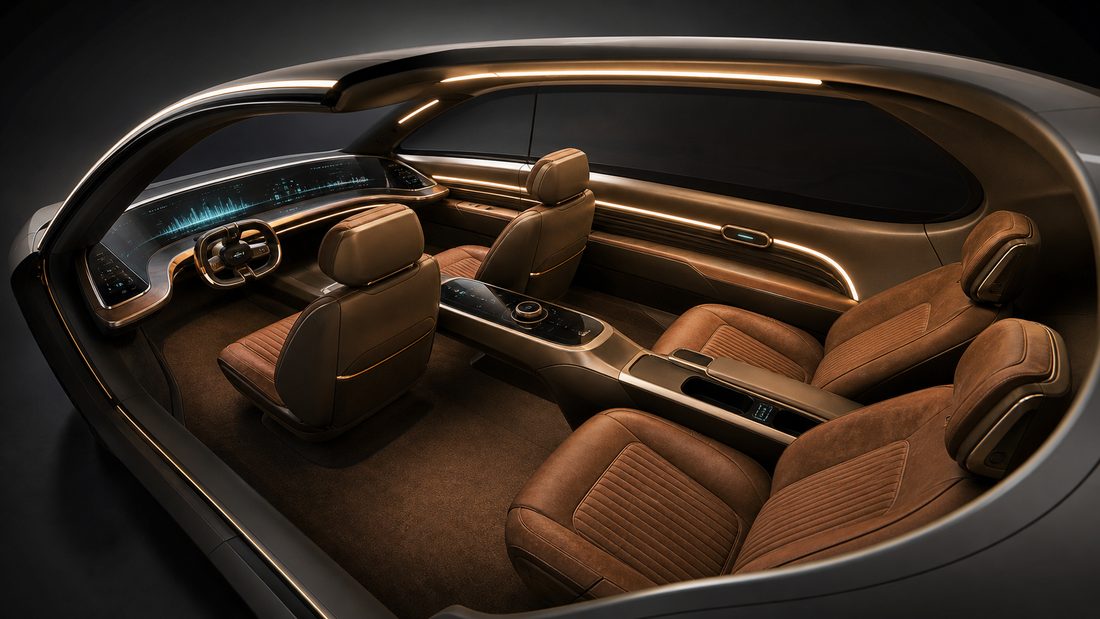
Many AI cockpit projects start with a feature list: voice assistant, large language model, vehicle control, multi-screen HMI, lighting, seat control, sensors.
But for a proof-of-concept demo, the more important question is: who needs to be convinced?
For a technical review, the priority is the functional chain: input, intent recognition, control logic, HMI response, and hardware output.
For an internal innovation review, the priority is the experience loop: why the user triggers the AI, how the cockpit responds, and whether the scenario feels meaningful.
For an auto show or client demo, the priority is demonstration stability: repeatable flow, fallback controls, clear storytelling, and reliable hardware-software integration.
An AI cockpit POC is not just about showing that features exist. It is about proving that a future in-cabin experience can be understood, experienced, and trusted.
VoyagerX helps automotive teams turn early AI cockpit concepts into interactive prototypes, covering HMI/UX design, AI feature development, vehicle control demos, electrical integration, lighting and seat interaction, prototype fabrication, and exhibition-ready demonstration support.

Scan with WeChat, then share via the ··· menu